
Hotel at the Corner of Bitter and Sweet: A Comprehensive Overview
Hotel at the Corner of Bitter and Sweet’s PDF version‚ available via LitCharts‚ is a valuable resource․ Kenyatta University and North Hollywood Senior High utilize it‚
highlighting its educational impact․ Accessing the document enhances understanding of this poignant historical fiction․
Author Background: Jamie Ford
Jamie Ford is an accomplished author‚ recognized for his captivating storytelling and meticulous research․ He boasts an impressive background as an award-winning short story writer‚ demonstrating a mastery of narrative craft honed through dedication and practice․ Ford is a proud alumnus of the prestigious Squaw Valley Community of Writers‚ a testament to his commitment to artistic growth and collaboration with fellow literary talents․
Further solidifying his writing prowess‚ he successfully completed Orson Scott Card’s Literary Boot Camp‚ a rigorous program known for its challenging curriculum and focus on honing essential writing skills․ Currently‚ Ford is diligently working on his second novel‚ promising readers another immersive and thought-provoking experience․ He resides in Montana with his family‚ finding inspiration in the natural beauty and tranquility of his surroundings․
Readers interested in connecting with Ford directly can visit his author website at www․jamieford․com․ His work‚ including Hotel at the Corner of Bitter and Sweet‚ is frequently utilized in educational settings‚ with readily available PDF resources enhancing classroom engagement and comprehension․
Novel Synopsis & Core Themes
Hotel at the Corner of Bitter and Sweet intricately weaves a coming-of-age story against the backdrop of World War II Seattle․ The narrative alternates between a young Henry Lee‚ a Chinese American boy‚ and the middle-aged man he becomes‚ revisiting pivotal moments from his past․ The story centers on Henry’s unexpected friendship with Keiko Okabe‚ a young Japanese American girl‚ amidst the rising tide of anti-Japanese sentiment and the looming threat of incarceration․

Core themes explored within the novel include the complexities of identity‚ the enduring power of first love‚ and the devastating consequences of prejudice and discrimination․ The novel poignantly examines the impact of wartime policies on individuals and communities‚ particularly the forced removal and incarceration of Japanese Americans․ Silence and unspoken emotions also play a crucial role‚ highlighting the burdens carried by those who experienced trauma․
The readily available PDF version of the novel‚ often utilized in educational settings‚ facilitates deeper exploration of these themes․ LitCharts provides a comprehensive study guide‚ enhancing understanding and critical analysis of Ford’s compelling narrative․
Historical Context: Japanese American Incarceration During WWII
Hotel at the Corner of Bitter and Sweet is deeply rooted in the historical reality of Japanese American incarceration during World War II․ Following the attack on Pearl Harbor‚ Executive Order 9066 authorized the forced removal of over 120‚000 individuals of Japanese ancestry from the West Coast‚ confining them to internment camps․ This unjust act stemmed from widespread fear‚ prejudice‚ and wartime hysteria․
The novel vividly portrays the atmosphere of suspicion and discrimination that permeated Seattle’s Japanese American community․ Keiko Okabe’s family‚ like countless others‚ faced the imminent threat of displacement and the loss of their homes‚ businesses‚ and livelihoods․ The PDF version of the novel‚ often used in academic settings like Kenyatta University‚ provides a powerful lens through which to examine this dark chapter in American history․
Ford’s meticulous research and sensitive portrayal bring to light the human cost of this injustice‚ prompting reflection on themes of civil liberties‚ racial prejudice‚ and the importance of remembering the past․ Studying the novel‚ particularly through resources like LitCharts’ PDF guide‚ fosters a deeper understanding of this critical period․

Seattle’s International District in the 1940s
Hotel at the Corner of Bitter and Sweet masterfully recreates Seattle’s International District (then known as Japantown) during the 1940s․ This vibrant community served as a cultural hub for Japanese Americans‚ brimming with bustling businesses‚ traditional restaurants‚ and a strong sense of collective identity․ The district was a microcosm of Japanese culture transplanted to American soil‚ offering a haven for immigrants and their descendants․
However‚ this thriving community was irrevocably shattered by the onset of World War II and the subsequent forced incarceration․ The novel poignantly depicts the district’s gradual emptying as families were uprooted and sent to internment camps․ The Panama Hotel‚ a central location in the story‚ stood as a silent witness to this heartbreaking exodus․
Accessing the novel’s PDF version‚ often utilized in educational contexts like North Hollywood Senior High‚ allows readers to immerse themselves in the richly detailed setting․ Resources like LitCharts enhance comprehension of the district’s historical significance and the profound impact of wartime events on its residents․
The Significance of the Panama Hotel
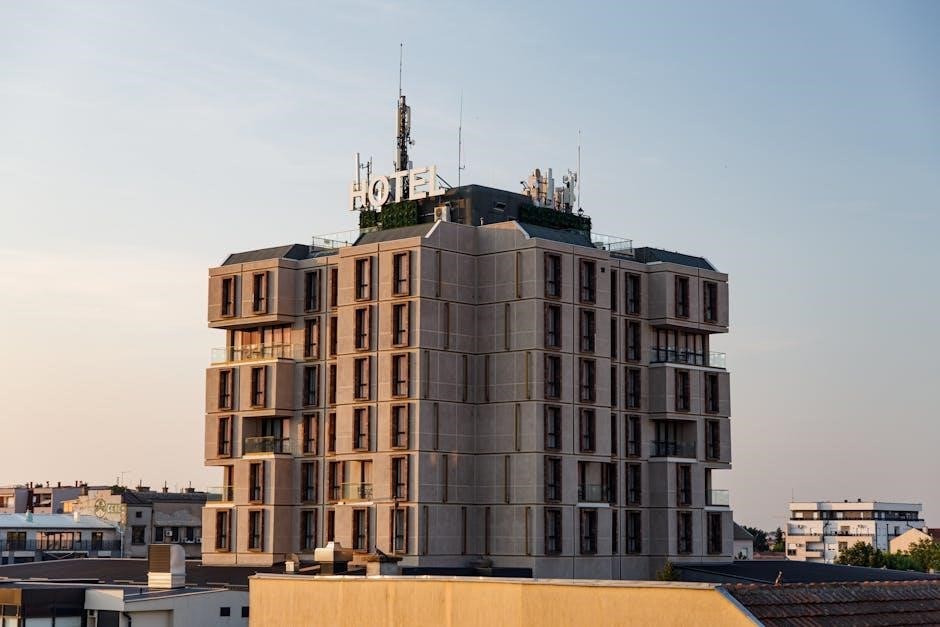
Hotel at the Corner of Bitter and Sweet centers around the Panama Hotel‚ a real establishment in Seattle’s International District․ More than just a setting‚ the hotel embodies the history and heartbreak of the Japanese American community during WWII․ Built in 1910‚ it served as a vital social and economic center for Japanese immigrants‚ offering lodging‚ shops‚ and a communal bathhouse – a cherished cultural practice․
As the novel illustrates‚ the Panama Hotel became a poignant symbol of loss when its Japanese American owners and residents were forcibly removed and incarcerated․ The hotel remained largely untouched‚ preserving a ghostly echo of the lives disrupted․ It stood as a repository of abandoned belongings‚ a tangible reminder of the injustice endured․
Studying the novel through its PDF format‚ often used in academic settings like Kenyatta University‚ deepens understanding of the hotel’s symbolic weight․ Resources like LitCharts provide context‚ illuminating how the Panama Hotel represents memory‚ displacement‚ and the enduring power of the past․
Henry Lee: The Protagonist’s Journey
Hotel at the Corner of Bitter and Sweet follows Henry Lee‚ a Chinese American boy growing up in Seattle during WWII‚ and his reflections as an older man․ His journey is one of self-discovery‚ navigating racial prejudice‚ and grappling with unspoken emotions․ Initially a somewhat detached observer‚ Henry’s life dramatically changes with his encounter with Keiko Okabe‚ a young Japanese American girl․
The novel’s alternating timelines‚ readily accessible through PDF versions utilized in educational environments like North Hollywood Senior High‚ reveal Henry’s evolving perspective․ As a child‚ he struggles to reconcile his father’s anti-Japanese sentiments with his growing affection for Keiko․ Later‚ as an adult‚ he confronts the regrets and silences that have shaped his life․
Resources like LitCharts‚ available as a downloadable PDF‚ enhance understanding of Henry’s internal conflicts․ His journey embodies the complexities of identity‚ belonging‚ and the lasting impact of historical trauma․ He learns to embrace his heritage and confront the past‚ ultimately finding a measure of peace․
Keiko Okabe: A Symbol of Forbidden Connection
Keiko Okabe embodies the heartbreaking consequences of wartime prejudice in Hotel at the Corner of Bitter and Sweet․ As a Japanese American girl‚ she represents a community unjustly targeted by fear and discrimination․ Her connection with Henry Lee‚ a Chinese American boy‚ is a forbidden one‚ fraught with societal pressures and the looming threat of incarceration․
Keiko’s character‚ deeply explored in the novel and accessible through PDF study guides like those used at Kenyatta University‚ symbolizes innocence lost․ The simple act of offering Henry dandelions highlights her vulnerability and the beauty she finds amidst hardship․ Their relationship challenges the prevailing racial biases of the time‚ demonstrating the power of human connection to transcend prejudice․
PDF resources‚ including LitCharts‚ illuminate Keiko’s quiet strength and resilience․ She represents the silenced voices of those unjustly imprisoned during WWII․ Her fate serves as a poignant reminder of the devastating impact of discrimination and the enduring importance of empathy and understanding․
The Role of Music: Jazz and its Cultural Impact
Jazz music serves as a vibrant and integral element within Hotel at the Corner of Bitter and Sweet‚ mirroring the cultural melting pot of 1940s Seattle․ It’s more than just a backdrop; jazz embodies the spirit of the International District and the yearning for freedom and expression amidst societal constraints․
The novel‚ readily analyzed through accessible PDF resources like those favored by educators at North Hollywood Senior High‚ uses jazz to symbolize the forbidden connection between Henry and Keiko․ Shared musical experiences create a safe space for their burgeoning relationship‚ defying the racial boundaries imposed by the era․ The music represents a shared language‚ a universal emotion that transcends cultural differences․
PDF study guides‚ such as those available on LitCharts‚ highlight how Ford utilizes jazz to evoke the atmosphere of the time and explore themes of identity and belonging․ The music’s improvisational nature reflects the characters’ struggles to navigate a rapidly changing world‚ and the emotional depth of jazz mirrors their unspoken feelings․
Narrative Structure: Alternating Timelines
Hotel at the Corner of Bitter and Sweet employs a compelling narrative structure‚ skillfully weaving between two distinct timelines: Henry’s childhood in 1942 and his present-day life in 1986․ This technique‚ effectively analyzed through readily available PDF study guides‚ isn’t merely stylistic; it’s fundamental to the novel’s thematic exploration․

The alternating chapters‚ often utilized in educational settings like Kenyatta University and North Hollywood Senior High‚ reveal how past experiences profoundly shape Henry’s present․ The younger Henry’s innocent perspective contrasts with the older Henry’s regret and longing‚ creating a poignant tension that drives the narrative forward․ The PDF resources emphasize how this structure allows Ford to gradually unveil the complexities of Henry’s past․
This dual timeline also mirrors the themes of memory and the enduring power of first love․ The fragmented nature of memory is reflected in the shifting perspectives‚ and the reader‚ aided by resources like LitCharts’ PDF‚ pieces together the story alongside Henry‚ experiencing his emotional journey in a deeply personal way․
Symbolism of the Hotel Itself
The Panama Hotel‚ central to Hotel at the Corner of Bitter and Sweet‚ transcends its physical presence‚ functioning as a potent symbol of transition‚ loss‚ and the enduring echoes of the past․ PDF analyses‚ frequently used in academic contexts like Kenyatta University and North Hollywood Senior High‚ highlight its multifaceted symbolism․
Initially a haven for Japanese Americans before their forced incarceration‚ the hotel embodies a community shattered by prejudice and wartime hysteria․ Its continued existence‚ even in disrepair‚ represents a lingering memory of a vibrant culture unjustly displaced․ The hotel’s storage rooms‚ filled with abandoned belongings‚ symbolize the interrupted lives and lost histories of those incarcerated․
Furthermore‚ the hotel serves as a microcosm of Seattle’s International District‚ reflecting the city’s complex racial dynamics․ Resources like LitCharts’ PDF detail how the hotel’s physical deterioration mirrors the erosion of cultural identity․ It’s a space where secrets are kept‚ connections are forged‚ and the weight of unspoken emotions accumulates‚ making it a powerful symbol of both heartbreak and resilience․
Dandelions as a Recurring Motif
Dandelions in Jamie Ford’s Hotel at the Corner of Bitter and Sweet emerge as a significant recurring motif‚ representing resilience‚ forbidden love‚ and the bittersweet nature of memory․ PDF study guides‚ like those offered by LitCharts and utilized in educational settings such as North Hollywood Senior High‚ meticulously analyze this symbolism․
Keiko’s offering of dandelions to Henry is a pivotal moment‚ symbolizing her vulnerability and a fragile connection blossoming amidst societal constraints․ Dandelions‚ often considered weeds‚ mirror the marginalized status of Japanese Americans during WWII‚ yet their persistent growth embodies their enduring spirit․
The flower’s delicate beauty contrasts with the harsh realities of the time‚ highlighting the fleeting nature of happiness and the pain of separation․ The act of picking and giving dandelions becomes a quiet act of rebellion against prejudice․ PDF resources emphasize how the dandelion’s seeds‚ carried by the wind‚ represent the dispersal of memories and the enduring impact of the past on the present‚ a central theme in the novel․
The Impact of Wartime Prejudice and Discrimination
Hotel at the Corner of Bitter and Sweet powerfully depicts the devastating impact of wartime prejudice and discrimination against Japanese Americans during WWII․ PDF analyses‚ such as those available through LitCharts and employed at institutions like Kenyatta University‚ underscore this central theme․
The novel vividly portrays the fear‚ suspicion‚ and injustice faced by Keiko and her community following the attack on Pearl Harbor․ The forced incarceration‚ loss of property‚ and societal ostracism are explored through Henry’s eyes‚ revealing the profound emotional and psychological toll on individuals and families․
Ford doesn’t shy away from illustrating the insidious nature of prejudice‚ showing how it permeated everyday life and fractured relationships․ The PDF resources highlight how the novel challenges readers to confront uncomfortable truths about American history and the consequences of unchecked discrimination․ The story serves as a poignant reminder of the importance of empathy‚ understanding‚ and fighting against injustice‚ even in times of national crisis․
Family Dynamics: Henry’s Relationship with His Father
Hotel at the Corner of Bitter and Sweet intricately portrays Henry Lee’s complex and often strained relationship with his father․ PDF study guides‚ utilized in educational settings like North Hollywood Senior High‚ emphasize this core dynamic as crucial to understanding Henry’s character development․
Henry’s father‚ a stoic and pragmatic man‚ embodies the immigrant experience and the pressures of assimilation․ Their connection is marked by unspoken expectations‚ cultural differences‚ and a lack of emotional openness․ Henry yearns for his father’s approval but struggles to bridge the gap created by generational and cultural divides․
The novel explores how wartime anxieties and societal pressures further exacerbate the existing tensions within the family․ PDF resources reveal how Henry’s father’s silence and reserved nature stem from his own experiences with prejudice and hardship․ Ultimately‚ Henry’s journey involves coming to terms with his father’s limitations and forging his own path‚ informed by the lessons learned from their complicated bond․
The Power of Silence and Unspoken Emotions
Hotel at the Corner of Bitter and Sweet masterfully explores the profound impact of silence and repressed emotions‚ a theme readily analyzed through available PDF study guides like those from LitCharts․ These resources highlight how unspoken feelings shape the characters’ actions and destinies․
The novel is steeped in a culture where direct expression of emotion is often discouraged‚ particularly within the Chinese American community and during the wartime era․ Henry and Keiko navigate a world where their connection must remain largely hidden‚ forcing them to communicate through subtle gestures and shared silences․

The PDF materials demonstrate how this enforced silence creates a sense of longing and frustration‚ while also fostering a deeper‚ more intimate understanding between the two protagonists․ The weight of unspoken words and unfulfilled desires permeates the narrative‚ underscoring the emotional toll of prejudice and societal constraints․ Ultimately‚ the novel suggests that even in the absence of explicit expression‚ emotions possess a powerful and enduring force․
Literary Devices: Imagery and Foreshadowing
Hotel at the Corner of Bitter and Sweet employs rich imagery and subtle foreshadowing‚ elements thoroughly dissected in comprehensive PDF analyses like those offered by LitCharts․ These literary devices enhance the novel’s emotional resonance and thematic depth․
Ford’s evocative descriptions of Seattle’s International District‚ particularly the Panama Hotel‚ create a vivid and immersive setting․ The imagery associated with the hotel – its faded grandeur and hidden spaces – symbolizes the secrets and suppressed histories of its inhabitants․
Foreshadowing is skillfully woven throughout the narrative‚ hinting at future events and building suspense․ The recurring motif of dandelions‚ for instance‚ subtly foreshadows themes of resilience and the enduring power of memory․ PDF resources pinpoint these instances‚ revealing how Ford strategically plants clues to prepare the reader for the emotional impact of the story’s unfolding events․
Analyzing these devices through PDF guides allows for a deeper appreciation of Ford’s craftsmanship and the novel’s intricate layers of meaning․
Critical Reception and Awards
Hotel at the Corner of Bitter and Sweet garnered significant critical acclaim upon its release‚ establishing Jamie Ford as a notable voice in contemporary historical fiction․ Detailed analyses‚ often found within comprehensive PDF study guides like those from LitCharts‚ highlight the novel’s strengths․
Reviewers praised Ford’s sensitive portrayal of a marginalized community and his ability to weave a compelling narrative around a difficult period in American history․ The novel’s exploration of themes like prejudice‚ identity‚ and the enduring power of love resonated with readers and critics alike․
While specific award details aren’t prominently featured in readily available online resources‚ the novel’s widespread adoption in educational settings – evidenced by its use at institutions like Kenyatta University and North Hollywood Senior High‚ as indicated by PDF document listings – speaks to its literary merit and enduring appeal․
PDF resources often include excerpts from critical reviews‚ providing valuable insights into the novel’s reception and impact․
Adaptations and Related Media (Live Zoom Session with Author)

While a full-scale film or television adaptation of Hotel at the Corner of Bitter and Sweet hasn’t materialized‚ related media exists to deepen engagement with the novel․ Notably‚ a live Zoom session featuring author Jamie Ford was streamed on June 26‚ 2020‚ offering fans a unique opportunity to hear directly from the creator․
This session‚ available via platforms like Podbean‚ likely delved into the novel’s origins‚ characters‚ and themes‚ providing valuable context for readers․ Access to transcripts or recordings of this event enhances understanding‚ complementing PDF study guides․
PDF resources‚ often used in academic settings like Kenyatta University and North Hollywood Senior High‚ may include supplementary materials referencing the author’s insights․ These materials can enrich the reading experience and foster deeper critical analysis․

The absence of a major adaptation doesn’t diminish the novel’s impact; instead‚ it encourages readers to rely on textual analysis and authorial commentary‚ readily available through resources like the aforementioned Zoom session and detailed PDF analyses․

Teaching Resources and Classroom Applications
Hotel at the Corner of Bitter and Sweet lends itself exceptionally well to classroom discussion and analysis‚ particularly within history and literature curricula․ The novel’s alternating timelines and exploration of complex themes – prejudice‚ identity‚ and forbidden love – provide rich material for student engagement․
PDF study guides‚ such as those offered by LitCharts‚ are invaluable teaching tools․ These resources often include chapter summaries‚ character analyses‚ and discussion questions‚ streamlining lesson planning for educators․ Kenyatta University and North Hollywood Senior High already utilize these materials effectively․
The historical context of Japanese American incarceration during WWII offers opportunities for cross-curricular connections with history classes․ Students can research the Executive Order 9066 and its impact‚ fostering a deeper understanding of the novel’s setting․
Furthermore‚ the novel’s exploration of silence and unspoken emotions encourages critical thinking and empathetic responses․ Utilizing PDF resources alongside primary source materials can create a comprehensive and impactful learning experience․
PDF Availability and Online Resources (LitCharts)
Hotel at the Corner of Bitter and Sweet is readily available in PDF format‚ enhancing accessibility for students and educators alike․ LitCharts emerges as a premier online resource‚ offering a comprehensive‚ printable PDF study guide designed to deepen understanding of the novel’s intricacies․
This LitChart provides detailed chapter summaries‚ insightful character analyses‚ and thought-provoking discussion questions‚ streamlining the learning process․ Educators‚ like Graham S․‚ attest to the charts’ effectiveness‚ noting significant improvements in student comprehension and engagement․
Beyond LitCharts‚ various academic institutions‚ including Kenyatta University and North Hollywood Senior High‚ utilize and distribute PDF versions of the novel and supplementary materials․ Online repositories and library databases also frequently host digital copies․
The availability of these PDF resources facilitates independent study‚ classroom discussions‚ and research projects․ Students can easily annotate‚ highlight‚ and share the document‚ fostering a collaborative learning environment․ Accessing the PDF unlocks a deeper appreciation for Ford’s masterful storytelling․
University Course Integration (Kenyatta University‚ North Hollywood Senior High)
Hotel at the Corner of Bitter and Sweet has found a significant place within the curricula of various educational institutions‚ demonstrating its value as a teaching tool․ Kenyatta University‚ for instance‚ incorporates the novel – and its readily available PDF version – into its communication courses‚ fostering critical analysis of historical fiction․
Similarly‚ North Hollywood Senior High utilizes the text within its English Honors programs․ The PDF format proves particularly beneficial‚ allowing students convenient access for in-depth study‚ annotation‚ and preparation for class discussions․ This digital accessibility streamlines the learning process․
The novel’s exploration of themes like prejudice‚ identity‚ and cultural understanding aligns seamlessly with course objectives focused on American history‚ social justice‚ and literary analysis․ The PDF’s portability also supports blended learning environments․
Instructors leverage the novel’s compelling narrative and historical context to engage students in meaningful dialogue about the Japanese American incarceration during WWII and its lasting impact․ The PDF facilitates focused textual analysis and research assignments․
Accessibility and Digital Formats (ePub‚ PDF)
Hotel at the Corner of Bitter and Sweet is widely accessible in multiple digital formats‚ catering to diverse reading preferences and learning needs․ The PDF version‚ frequently cited in academic contexts like Kenyatta University and North Hollywood Senior High‚ offers a convenient and easily shareable format for study and research․
Beyond PDF‚ the novel is also available in ePub format‚ allowing for adjustable font sizes and layouts – a crucial feature for readers with visual impairments or those who prefer reading on e-readers․ This adaptability enhances the overall reading experience․
The widespread availability of digital versions‚ including the PDF‚ promotes inclusivity and removes barriers to access․ Students and readers can readily obtain the text for coursework‚ book clubs‚ or personal enjoyment․
Online resources‚ such as those offering LitCharts‚ often provide the PDF alongside supplementary materials‚ further enriching the learning process․ The digital format supports annotation‚ highlighting‚ and note-taking‚ fostering deeper engagement with the text․
Further Reading and Author’s Other Works

Readers captivated by Hotel at the Corner of Bitter and Sweet may be interested in exploring Jamie Ford’s other literary contributions․ Currently‚ Ford is actively working on a second novel‚ building upon the success and critical acclaim garnered from his debut work․ While details remain forthcoming‚ anticipation is high within the literary community․
For those seeking supplementary material related to the novel’s themes and historical context‚ accessing the PDF version alongside resources like LitCharts can provide deeper insights․ These resources often include character analyses‚ plot summaries‚ and explorations of the novel’s symbolism․
Furthermore‚ delving into works focusing on Japanese American incarceration during WWII‚ and the history of Seattle’s International District‚ will enrich understanding of the novel’s setting and societal backdrop․
Jamie Ford’s website‚ www․jamieford․com‚ serves as a valuable portal for updates on his current projects‚ author appearances‚ and additional information about his writing process and inspirations․ Exploring these avenues offers a more comprehensive appreciation of his literary world․