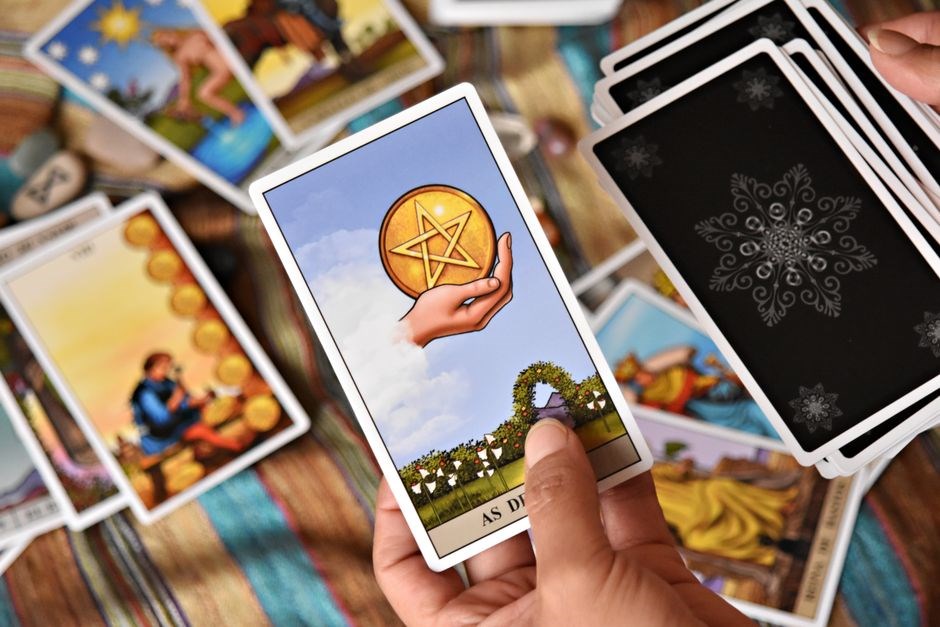
Overview of Tarot Card Meaning PDFs
Tarot card meaning PDFs serve as compact reference tools, compiling all 78 card definitions, upright/reversed keywords, and imagery into a single document. Users often create them in Word, set tight margins, insert photos, and export to PDF, or use online converters for quick sharing. Quick reference. all.!!
What is a Tarot Meaning PDF?
A Tarot Meaning PDF is a single, portable document that consolidates the full set of 78 card interpretations—both upright and reversed—alongside key keywords, symbolic imagery, and sometimes brief astrological or chakra associations. Users typically assemble these files in word processors such as Microsoft Word or Google Docs, setting narrow margins (often 0.25 inches) to maximize space, inserting high‑resolution card photos, and annotating with concise notes. Once the layout is finalized, the document is exported or printed to PDF, ensuring the formatting remains intact across devices. This format allows readers to quickly glance at any card without needing to flip through a book or search online, making it an ideal companion for live readings, study sessions, or personal reference. Many enthusiasts also share their PDFs on forums or social media, fostering a community of shared resources and collaborative learning. These PDFs can be tailored to a reader’s style allowing the inclusion of personal notes, color coding, or custom borders. Some practitioners embed QR codes linking to online resources, while others use PDF annotation tools to add live comments during a session. The file size remains small—typically under 5 MB—making it easy to email, upload to cloud services, or store on a USB drive. Because the format is universally supported, the same PDF can be opened on Windows, macOS, Linux, or mobile devices without loss of formatting. Additionally, many creators offer the option to download the source Word or Google Doc files, enabling further personalization.
Typical Content Included
Typical content in a tarot‑card‑meaning PDF is organized so that each of the 78 cards appears on its own page or in a compact grid. A standard layout usually contains the card’s illustration, the name, the upright and reversed keyword lists, a short definition, and optional extra columns for astrological sign, element, or chakra. Many creators add a tiny icon that links to a full online description, allowing the reader to tap for a deeper dive. Some PDFs also include a quick‑reference index page that lists all card names alphabetically, making it easy to jump to a specific card. For beginners, a brief “How to read” section is often placed at the front, explaining the difference between upright and reversed meanings and how to combine keywords into a narrative. Advanced users may find a “synchronicity” or “cross‑card” section that shows how pairs of cards interact. Finally, a small footer on each page with a QR code or a short URL gives instant access to the creator’s website or a community forum where readers can discuss interpretations. All of this is arranged in a clean, readable font, with consistent spacing so the PDF can be printed or viewed on a phone without losing legibility. Readers often find that a compact PDF allows them to practice card spreads at home, test new spreads, and compare interpretations side‑by‑side, which deepens intuition and confidence over time; Because the PDF is portable, readers can keep it in a pocket or tablet, ensuring that the card meanings are always within reach during spontaneous readings or quiet study sessions. sessions.—pdf
PDF cheat sheets offer instant, portable reference for all 78 cards, enabling quick keyword recall during readings. Their lightweight format fits phones, tablets, or printouts, and they’re customizable—users can add personal notes, astrology, or chakra columns for deeper insight.They’re searchable. now!!
Quick Reference in Readings
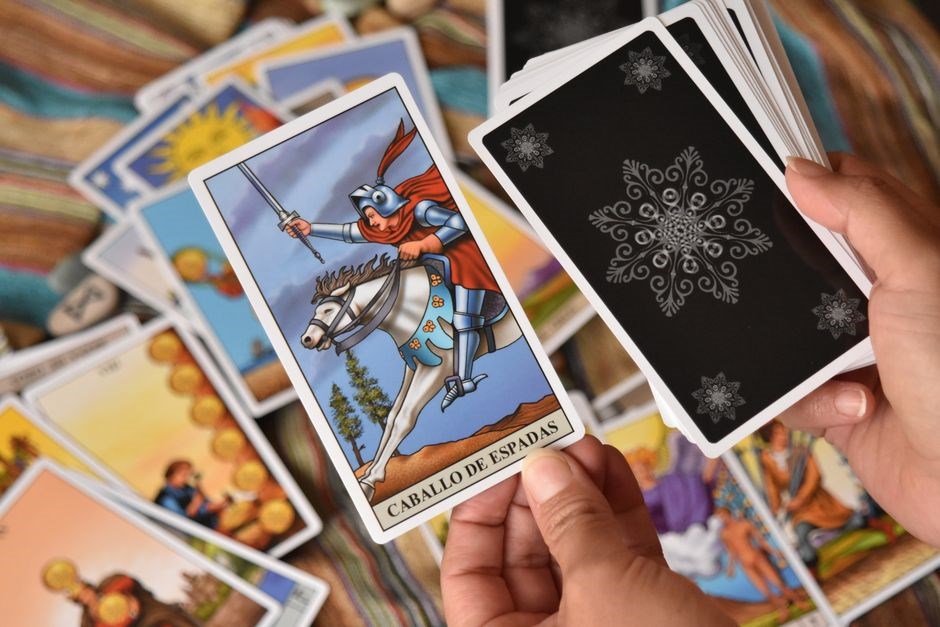
During a tarot reading, a PDF cheat sheet becomes an essential companion that keeps the session flowing smoothly. The reader can flip through the document, pulling up the exact keyword or image that matches the card drawn, eliminating the pause that would otherwise be needed to search a phone or a thick binder. A well‑structured PDF arranges the 78 cards by suit and number, so the reader can quickly locate a card in the deck or spread. Images preserve subtle symbolism even when printed on small paper or viewed on a phone screen. Because the reference is lightweight, the reader can move from one card to the next without the distraction of flipping a physical book. The PDF’s searchable text lets the practitioner type a keyword and instantly find the card’s meaning, useful in fast‑paced sessions or when a client asks for clarification. The sheet can be annotated in real time—highlighting a reversed meaning or adding a personal note—so insights are captured and reviewed later. This dynamic interaction enhances the reading’s quality, making it more fluid and engaging for both reader and client. Portability means the same reference can be used home office, coffee shop, or client’s living room, ensuring consistency across sessions. By integrating this quick reference tool, tarot practitioners maintain a smooth flow, allowing intuitive aspects to shine without technical hindrances. The result is a professional, confident presentation that builds trust and deepens the client’s experience. Quick reference in readings is thus a cornerstone of modern tarot practice, marrying tradition with technology to elevate divination to new heights.
Portability and Customization
Portability and customization are the twin pillars that make tarot card meaning PDFs indispensable for contemporary readers. Because the file is digital, it can reside on a phone, tablet, cloud storage, or even a USB stick, allowing instant access wherever the reader is. One can print a single page for quick reference or keep the full 78‑card layout for a comprehensive review. Customization options are plentiful: change the font size, add personal annotations, highlight reversed meanings, or color‑code suits. Many users embed hyperlinks that lead to deeper explanations, videos, or related astrological charts, turning the PDF into a living, interactive guide. When a new deck arrives, the reader simply swaps the images in the template and re‑exports, preserving the layout while updating content. This flexibility means the cheat sheet can evolve alongside the practitioner’s growing knowledge, incorporating fresh insights or updated correspondences. The file’s portability also means that even in remote or mobile settings, the reader can maintain a professional, organized approach without lugging a bulky reference book. Customization further allows the reader to tailor the sheet to personal style—choosing minimalist typography or richly illustrated borders—ensuring the tool feels intuitive and engaging. Sharing the PDF with clients or fellow readers fosters collaboration and community learning, while the ability to annotate in real time captures insights for later reflection. In short, the combination of portability and customization turns a static reference into a dynamic, personalized companion that supports both quick readings and deep study, making tarot card meaning PDFs a cornerstone of modern divinatory practice. Its adaptability ensures that every session feels tailored and precise.
Creating Your Own Tarot PDF
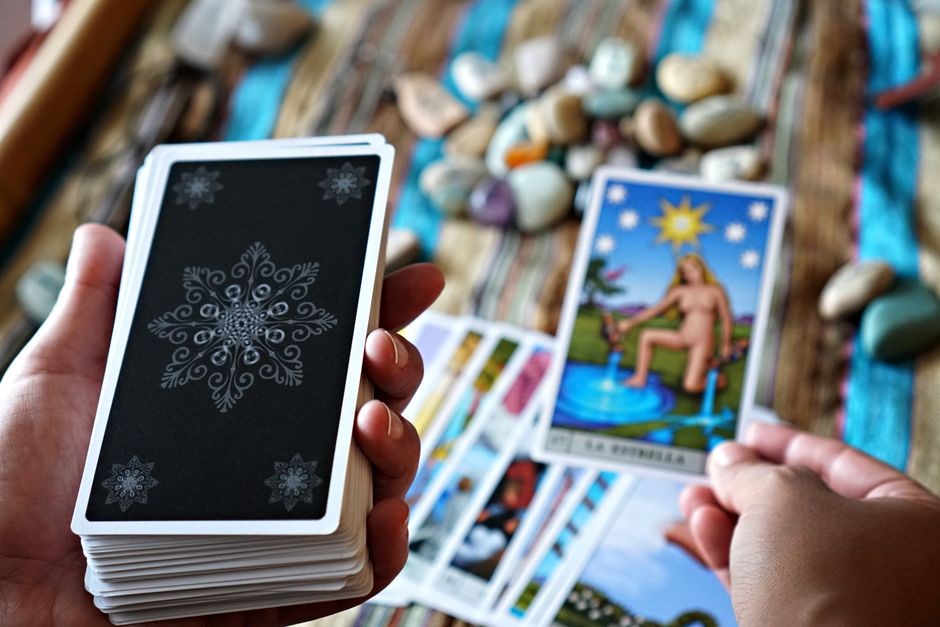
Creating your own tarot PDF begins with gathering card images and concise meanings. Use Word or Google Docs, set margins to 0.25”, insert photos, add keywords, then export to PDF. Free converters online simplify the process, making a personalized cheat sheet quick and easy. Add personal notes for deeper insight.!
Collecting Images and Text
Gathering the visual and textual components for a tarot meaning PDF starts with sourcing high‑resolution card images. Many free repositories, such as TarotCulture.com, offer downloadable illustrations that can be legally reused. Complement each image with concise keyword lists—upright and reversed—drawn from reputable guides like Labyrinthos infographics. Use a consistent font and layout to keep the sheet readable. When collecting text, prioritize brevity: a single line for each card’s core theme, a second line for reversed nuance, and a brief note on astrological or chakra associations if desired. Store all assets in a single folder, naming files numerically to match the deck order. This organization simplifies later assembly in a word processor or design program. Finally, verify that all images and text are correctly attributed, respecting copyright terms, before converting the final document to PDF. This careful preparation ensures a polished, user‑friendly reference that can be printed or shared digitally. To streamline the process, create a spreadsheet that lists each card number, name, and keyword set. This table can be exported to a Word table, allowing you to drag and drop images next to their respective rows. Pay attention to image dimensions; a 300‑dpi resolution ensures clarity when printed. For copyrighted decks, seek permission or use public‑domain versions. When you have all assets, use a consistent naming convention—e.g., 01‑The‑Fool—so the layout tool can auto‑place them in order. Additionally, keep a backup of images and source URLs in a separate folder for future updates.!!
Formatting and Exporting to PDF
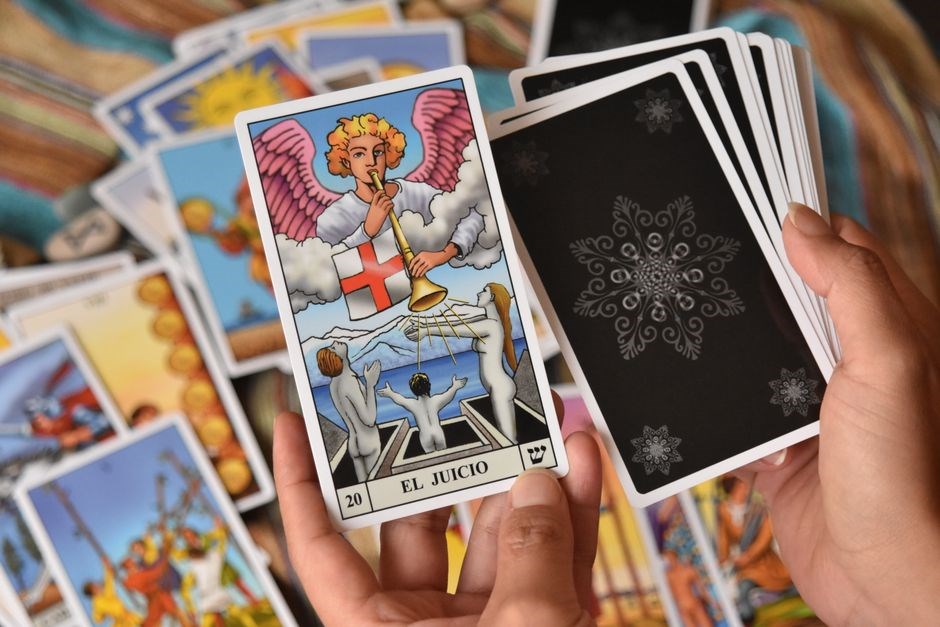
Once images and keyword lists are assembled, the next step is to arrange them in a clean, printable layout; Most users prefer a word processor such as Microsoft Word or Google Docs because they allow precise control over margins, page size, and image placement. Set all page margins to a minimal value—0.25 inches is common—to maximize the use of space. Insert each card image as a separate picture, then place the accompanying keyword text directly beneath or beside it, depending on the chosen orientation. Use a uniform font (e.g., Arial or Times New Roman) at 10–12 point size to keep the sheet legible when printed. Align text left‑justified and ensure consistent spacing between rows. After the layout is complete, review the document for any overlapping elements or misaligned images; a quick print preview can catch these issues early. When satisfied, export the file to PDF. In Word, choose “Save As” and select PDF, or use the “Export” option. Google Docs offers “Download as PDF” from the File menu. Online converters such as Smallpdf or Zamzar can also transform a Word or image file into PDF if you prefer a web‑based solution. The resulting PDF should preserve image quality and text formatting, making it a reliable reference for quick tarot readings or study sessions. Finally, test the PDF on multiple devices—desktop, tablet, and mobile— to ensure readability across platforms. Printing reduces glare, and a ruler aligns columns. For pro look, use high‑resolution PDF and add subtle watermark to protect your layout carefully.
Popular Free PDF Resources
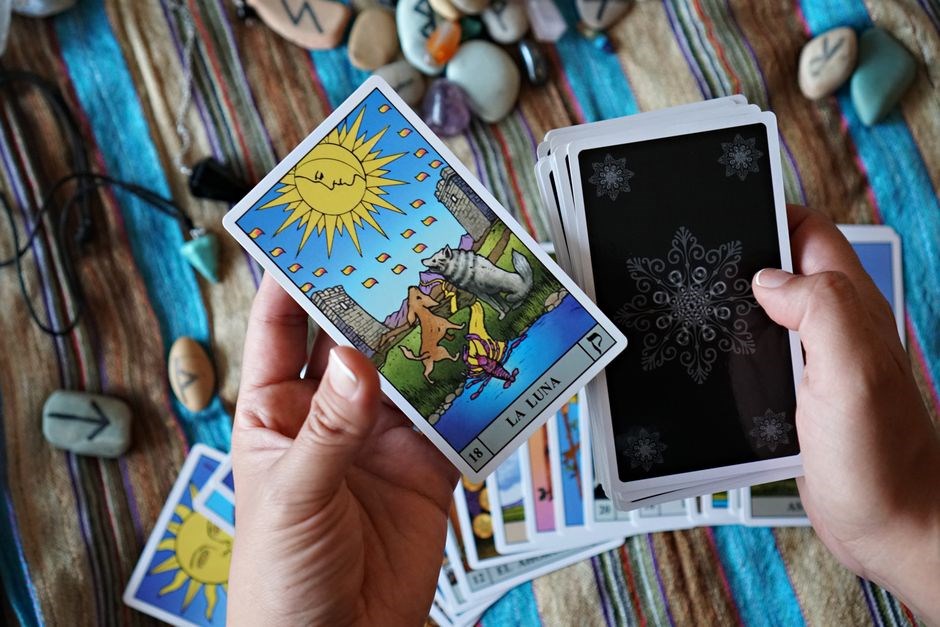
TarotCulture.com offers a full card list PDF, while Labyrinthos provides infographic cheat sheets. Both are free, printable, and include upright/reversed keywords, astrology, and chakra links. Download, print, and use them for quick reference during readings. All free now!
TarotCulture.com Card List
TarotCulture.com offers a comprehensive PDF titled “List of Tarot Cards with Pictures and Meanings.” The file contains every major and minor arcana card, each accompanied by a high‑resolution illustration and concise keyword descriptors for both upright and reversed positions. Users can download the document for free from the site’s resources page, making it a convenient reference for beginners and seasoned readers alike. The layout is clean, with each card presented in a two‑column format that allows quick visual comparison; The PDF also includes a brief introductory section that explains how to interpret the keywords and suggests ways to integrate the information into daily spreads. Because the file is printable, readers can print individual cards or the entire deck for on‑hand use during sessions. The resource is updated regularly, ensuring that any new card meanings or community‑suggested interpretations are reflected in the latest version. Additionally, the site offers a searchable online version, so users can quickly locate a specific card by name or keyword without scrolling through the entire deck. Overall, TarotCulture.com’s card list PDF serves as an essential tool for anyone looking to deepen their understanding of tarot symbolism without the need for a physical guidebook. This resource is ideal for quick reference and can be easily printed or saved for on‑the‑go use during readings. Feel free to annotate or highlight sections that resonate with your practice, tailoring the guide to your style!!!
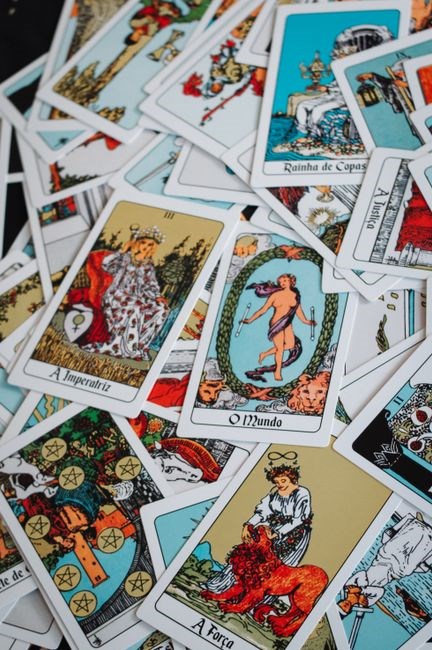
Labyrinthos Cheat Sheet Infographics
Labyrinthos has released a set of printable infographics that distill the essence of each tarot card into a single, visually engaging sheet. These cheat sheets are designed for quick reference during readings, featuring concise keyword lists for both upright and reversed positions, as well as key themes such as astrology signs, elemental associations, and chakra correspondences. The layout is highly organized, with cards grouped by suit and arcana, allowing readers to scan for patterns or specific card meanings without sifting through lengthy texts. Each card’s illustration is paired with a short, memorable phrase that captures its core symbolism, making it easier to recall during live spreads. Users can download the PDFs directly from the Labyrinthos website, and the files are optimized for both screen viewing and printing. The infographics are updated periodically to incorporate community feedback and new research, ensuring that the information remains current. Because the sheets are color‑coded, they also serve as a visual aid for beginners learning to differentiate between major and minor arcana at a glance. The design team at Labyrinthos emphasizes clarity and accessibility, so even complex concepts like the interplay between planetary influences and card meanings are broken down into digestible bullet points. These resources are ideal for tarot practitioners who prefer a quick, at‑a‑glance reference rather than a full‑length guidebook, and they can be used in both solo study sessions and group workshops!!!
Using PDF Cheat Sheets Effectively
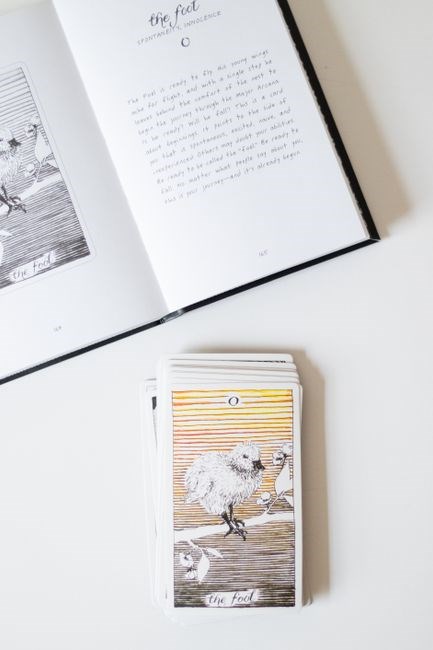
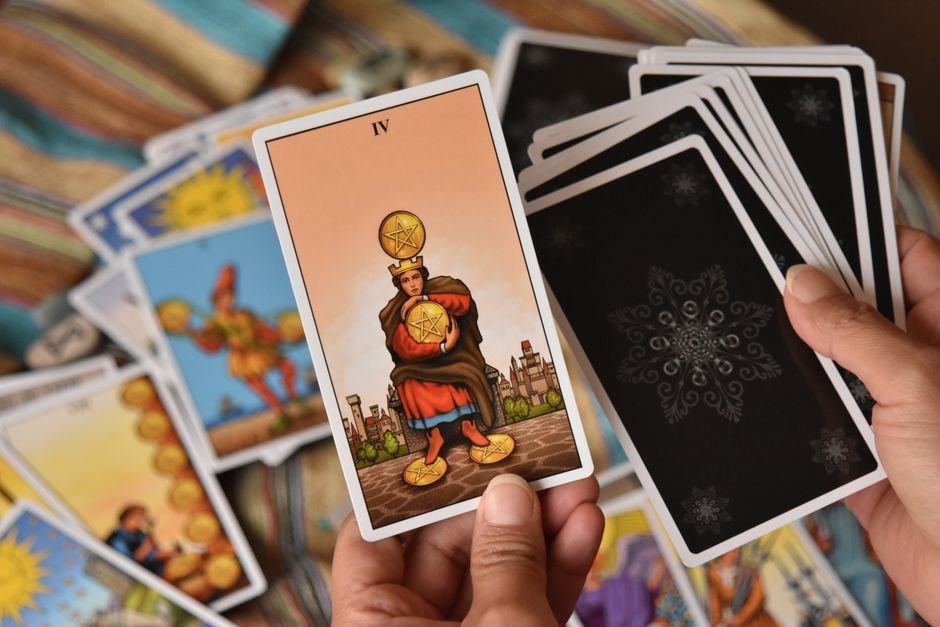
Use PDF cheat sheets by keeping them on a tablet or printed beside your deck. During a spread, flip to relevant card quickly, note keywords, and cross‑reference with astrology or chakra data. Practice with mock readings to build muscle memory, ensuring smooth, intuitive sessions.
Update weekly!!!
Quick Keyword Recall
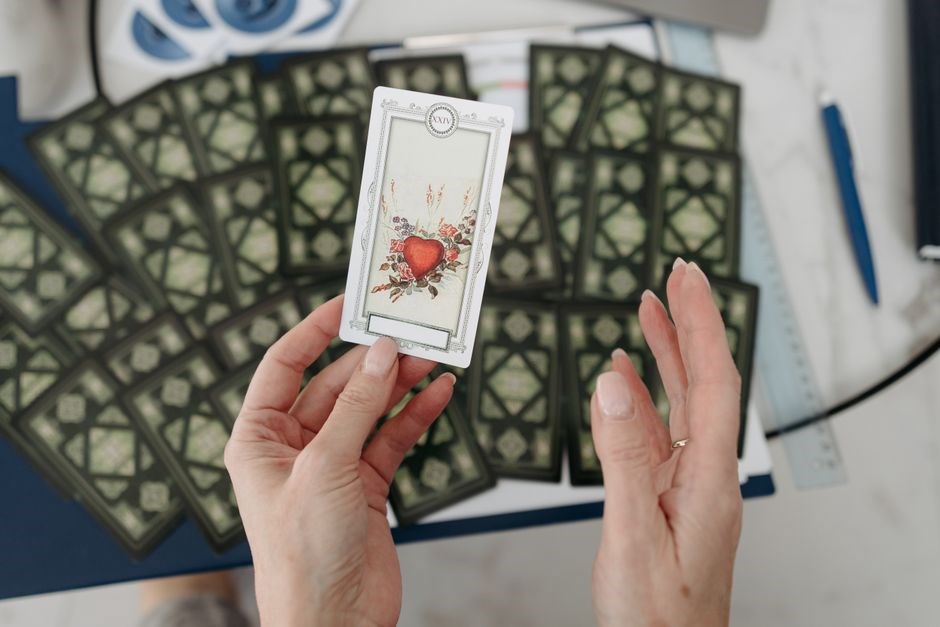
When you have a PDF that lists every card’s key words, you can instantly pull a meaning while reading. Most creators set the document to 0.25‑inch margins, insert high‑resolution card images, and add a short keyword line beneath each. During a spread, glance at the PDF, note the keyword, and then let the card’s full meaning surface in your mind. This method reduces the need to flip through a book or search online. Many users print the PDF on a small sheet, clip it to the side of their deck, and use it as a quick reference. The PDF’s flat layout also makes it easy to overlay with other systems, such as astrology or chakra charts, so you can see how a card’s keyword aligns with a planetary influence or energy center. Practicing with mock spreads helps cement the keywords into muscle memory, turning a slow lookup into an intuitive, flowing reading. Remember to keep the PDF updated; new editions often add subtle shifts in keyword emphasis, so refresh your reference annually.
To maximize recall, pair each keyword with a vivid mental image. For instance, the keyword ‘courage’ for The Chariot can be visualized as a rider pushing forward against a storm. Repeating this image while reading reinforces the association. Additionally, many PDF creators include a column for personal notes, allowing you to jot down recent experiences that echo a card’s theme. Over time, these notes become a personalized study guide, turning generic keywords into lived insights. When you encounter a card during a session, pause, glance at the PDF, and let the keyword surface. Then, trust your intuition to expand beyond the keyword into the card’s deeper narrative. This blend of quick reference and personal reflection creates a dynamic, evolving practice that keeps the deck fresh and your readings resonant.
Use it daily, watch intuition sharpen every.
Integrating Astrology and Chakras
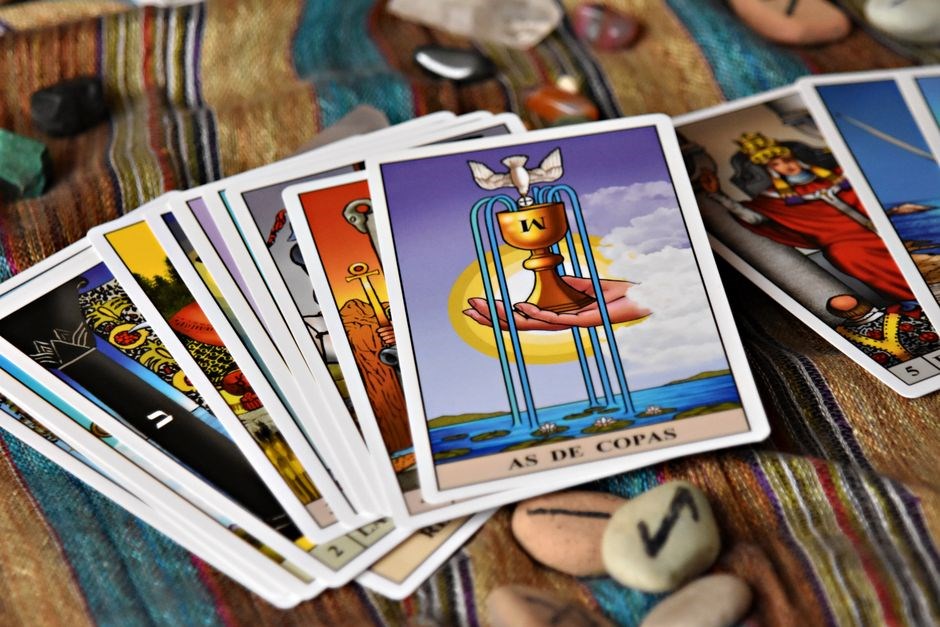
Many tarot enthusiasts enhance their PDF cheat sheets by adding columns for planetary correspondences and chakra associations. Each card is paired with a zodiac sign, element, and a specific chakra, creating a multi‑layered reference that can be consulted during a spread. For example, The Star might be linked to Aquarius, the air element, and the crown chakra, indicating inspiration and higher consciousness. By glancing at the PDF, a reader can instantly see how a card’s astrological sign aligns with the current planetary transits, allowing for a more nuanced interpretation that reflects the cosmic backdrop of the reading. Similarly, chakra mapping offers an energetic lens: a card tied to the root chakra suggests grounding issues, while one connected to the heart chakra points to emotional healing. Users often color‑code the PDF rows, using a light blue for air signs, a warm orange for fire signs, and a soft green for earth signs, making the visual cues immediate. When a card appears, the reader can quickly identify its planetary influence and chakra resonance, and then weave those energies into the narrative. This integration turns a simple keyword list into a holistic framework that supports intuitive, context‑rich readings. Practicing with real‑time transits and chakra work deepens the connection between the deck, the cosmos, and the body’s energy centers, providing a richer, more resonant practice for both novice and seasoned readers alike. It grows with every spread, deepening intuition daily.